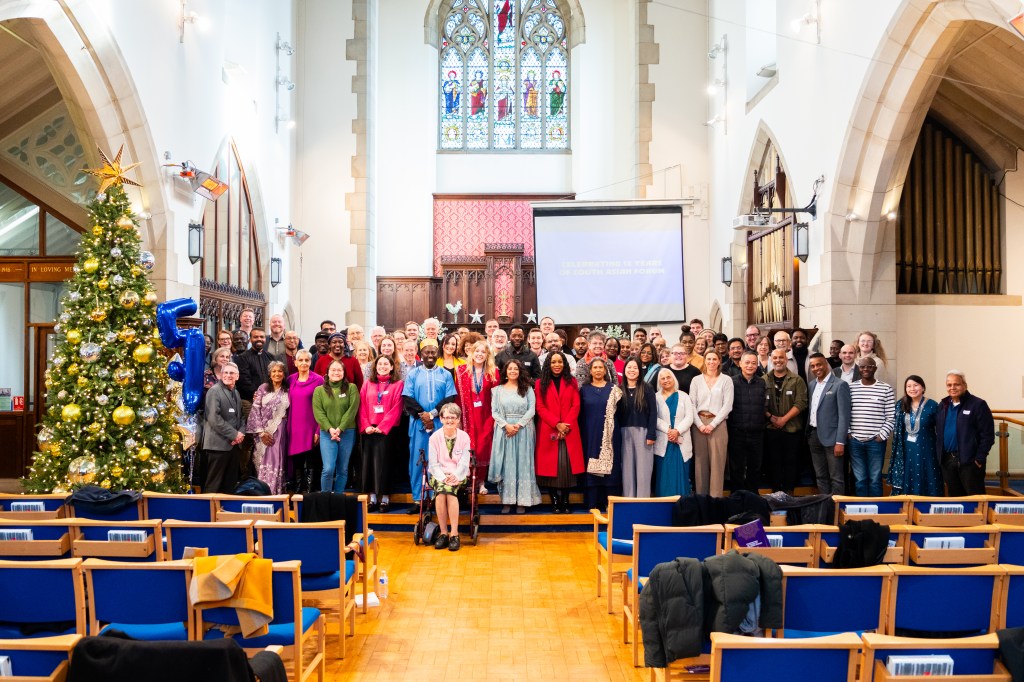
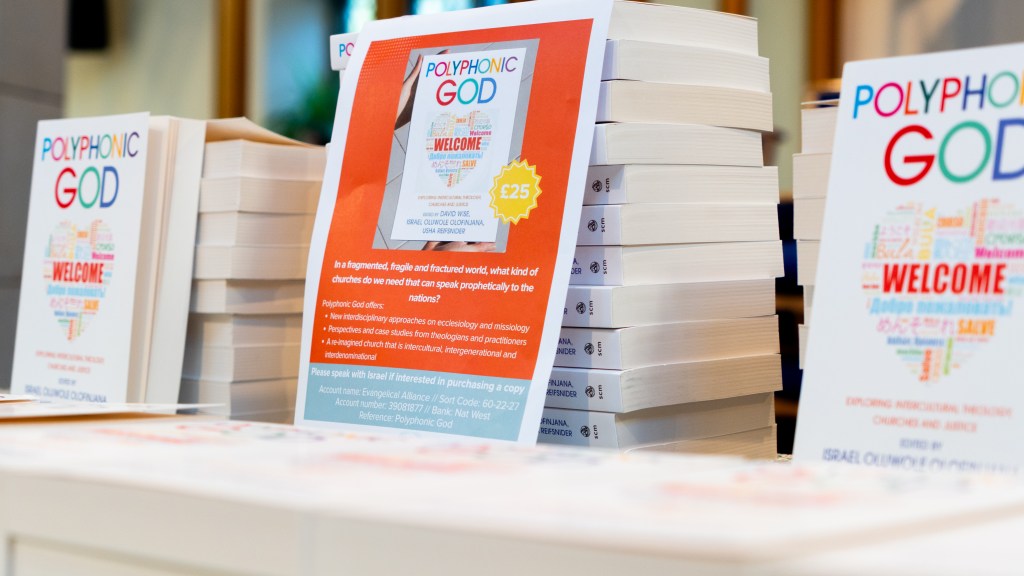
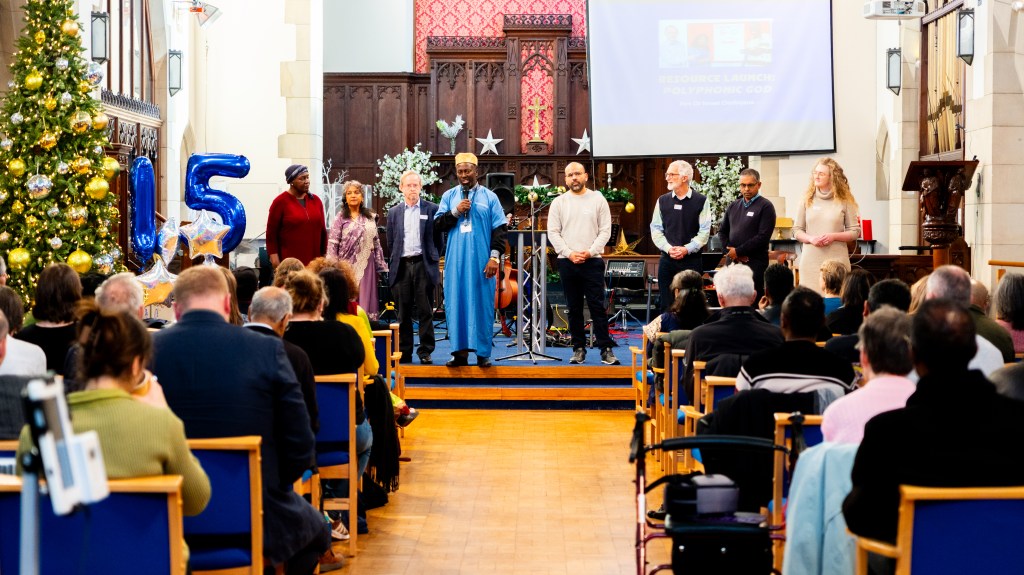
Polyphonic Theology is the subject of a new book Polyphonic God: Exploring intercultural Theology, Churches and Justice. This book is edited by myself, Dr Usha Reifsnider, co-regional director of Lausanne Europe and Rev Dr David Wise, Baptist minister, theologian and coach. The book has 17 writers with 15 chapters altogether divided into three broad sections. The three sections are Intercultural Theology, Intercultural Churches and Intercultural Practices.
One of the main arguments of the book is that in a polarised, divided, contested multicultural society such as Britain, the church ought to develop an intercultural ecclesiology that is prophetic, visionary and counter-cultural. This messaging becomes necessary with the emergence of Christian nationalism in the UK society and church. Christian nationalism is very difficult to define and some commentators will struggle to label some of the currents in our society as Christian nationalism. But going with that label for now, Christian nationalism is the fusion of Christianity with national politics and identity. Christian nationalism mirrors to some extent the Christendom ideology as an extension of empire politics and Christianity exported to other places in the name of God and country. In Christian nationalism, God is reduced to a nationalist who only cares about one nation or people. But this notion goes against the God we encounter in scripture. Simply put, God is not a nationalist in any sense of the word because he is an international God. This is why Jesus overturn the tables of the money changers in the temple area where gentiles were supposed to worship. Jesus declared in this instance, my house shall become a house of prayer for all nations referencing a text in Isaiah (see Isaiah 56.7 and Mark 11. 12-18).
Polyphonic Theology develops this idea that God is not tribal or nationalistic, but rather God speaks multiple languages as witnessed on the day of Pentecost making him Polyphonic. This notion of God challenges Christian nationalism from all directions and offer an alternative thinking for how we can do church and work towards an integrated just society. We desperately need Polyphonic theology in our churches if we are going to model for society what it means to live with difference. It is also needed to model how indigenous British and migrants can go beyond co-existing with parallel realities to shared realities. We need to move towards mutuality, reciprocity and interculturality that relates to a shared humanity, distinctiveness and collaboration. Polyphonic theology invites us to re-imagine church in this light of sharing life together through discipleship, mutual respect for each other, honouring different communities, affirming our distinctiveness and lastly how we can partner together for the sake of God’s kingdom. This vision is much needed in the current climate of fragmentation, fracture and fragility.
 Centre for Missionaries from the Majority World